GPT-5 is here. Here’s what people are already doing with it 🚀
 Jovana Lazarevska
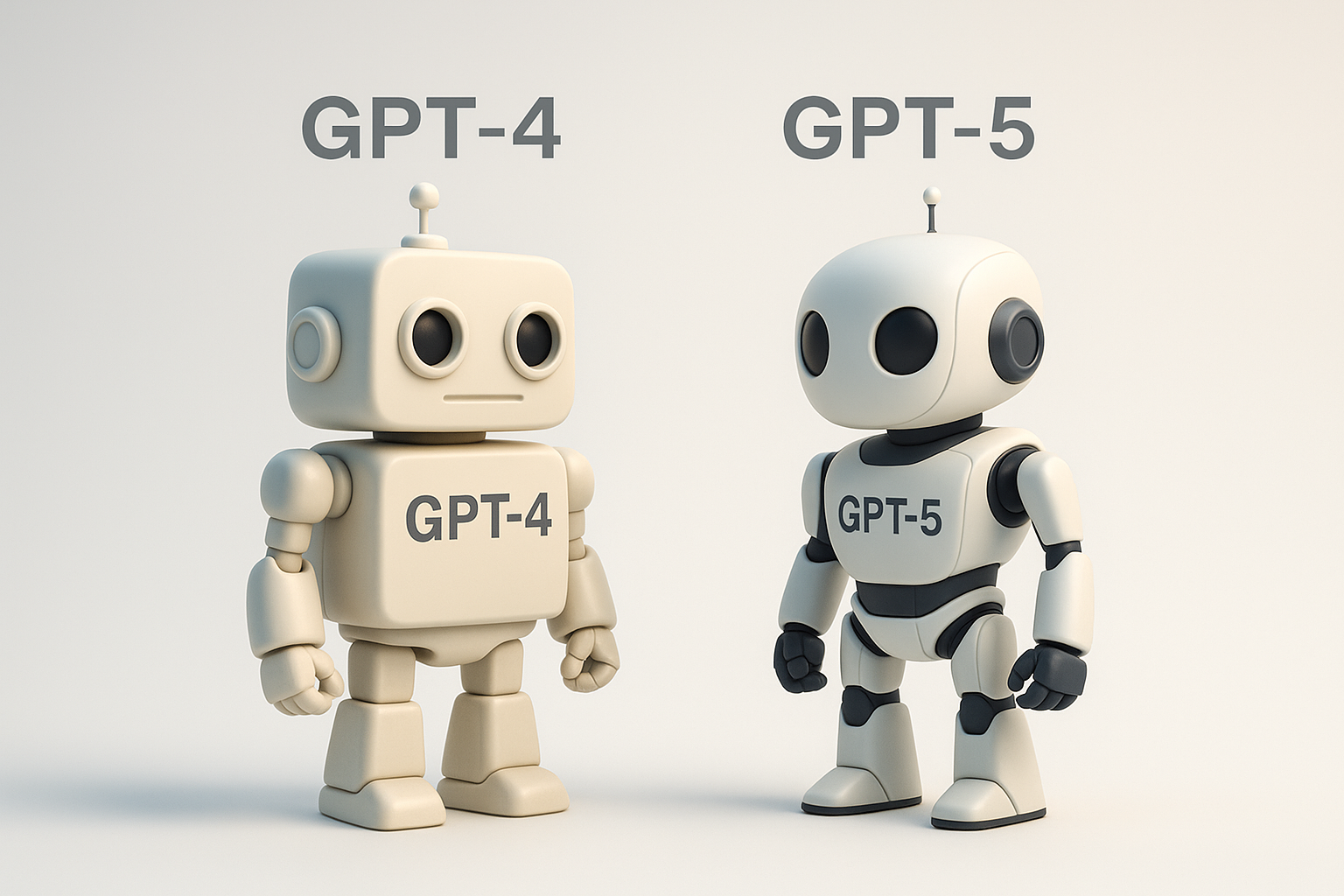
The release of GPT-5 has sparked a wave of experiments, demos and real-world tests from creators, businesses and developers around the globe. Rather than focus on hype, this post looks at practical, you-can-use-it-today examples that show how far the technology has come.
1️⃣ A working social app in under 15 minutes
Multiple early adopters have shared demos where GPT-5 generates a simple “Twitter-style” app end-to-end with a short prompt. Front-end, back-end, basic interactions and a database scaffold appear in one go, then the creator just runs it. It is a pared-back clone, not a production platform, but it proves a point about speed to first prototype.
2️⃣ Image-assisted diagnosis that rivals experts
OpenAI says GPT-5 improves “health” use cases and multimodal reasoning. Independent research on earlier models already showed chatbots beating physicians on some diagnostic tasks in controlled settings, and early GPT-5 benchmark chatter suggests further gains. This does not replace doctors, but it shows how fast clinical reasoning is moving.
3️⃣ Customer support that clears the queue
Teams are reporting step-change improvements using GPT-5 to triage email, answer the routine stuff instantly, and draft escalations for a quick human check. The practical win is response time dropping from hours to minutes, without hiring a night shift. This is where most SMEs will feel value first.
4️⃣ Board-ready analysis from messy spreadsheets
Creators are feeding GPT-5 raw CSVs and getting back a cleaned data set, charts and plain-English insights. The model explains what changed, why it matters, and who should act. It is not a replacement for finance, but it is a powerful first pass that speeds decisions.
What is actually new in GPT-5
- Mode control built in
You can pick Auto, Fast or Thinking. Auto balances speed and depth. Fast prioritises speed. Thinking goes deeper on reasoning. Plus users get higher Thinking limits. - Much larger working memory
Thinking mode supports a 196k-token context window, which means longer documents, longer chats and more complex tasks in one go. - Better coding partner
OpenAI positions GPT-5 as stronger at end-to-end coding, debugging and design hand-off, and it is rolling out across popular IDEs via Copilot. That lines up with the rapid app-demo trend. - Fewer hallucinations and better instruction following
OpenAI highlights reductions in made-up facts and improvements in following directions, especially across writing, coding and health.
Where to use it first
- Customer email triage and replies
Start with a narrow set of FAQs, add safe automations, then expand to more complex cases. - Ops checklists and mini-tools
Ask it to generate small web utilities that remove manual admin. Think forms, converters and status dashboards. - Insight packs for leadership
Point it at exported reports and ask for a one-pager with trends, risks and recommended actions. - Prototype fast, refine later
Use it to get to a working demo in hours, then harden the bits that matter.
Reality check
- Lab benchmarks and polished demos are not your production environment. Treat them as directional, not guarantees.
- Regulated domains need guardrails, review and proper testing.
- Expect to iterate on prompts, patterns and policies before the win shows up on the KPI sheet.
Final thought
The pattern is clear. GPT-5 shortens the path from idea to working thing. For most businesses, the quickest return will come from support workflows, lightweight tooling and faster analysis. If you try something this week, make it small, measurable and safe. Ship a tiny win, then scale.